COLOMBO (News 1st); The International Federation of Red Cross and Red Crescent Societies (IFRC) has voiced strong support for a proposed global treaty aimed at improving international cooperation and protecting people affected by disasters, describing it as a historic opportunity to strengthen disaster preparedness and response worldwide.
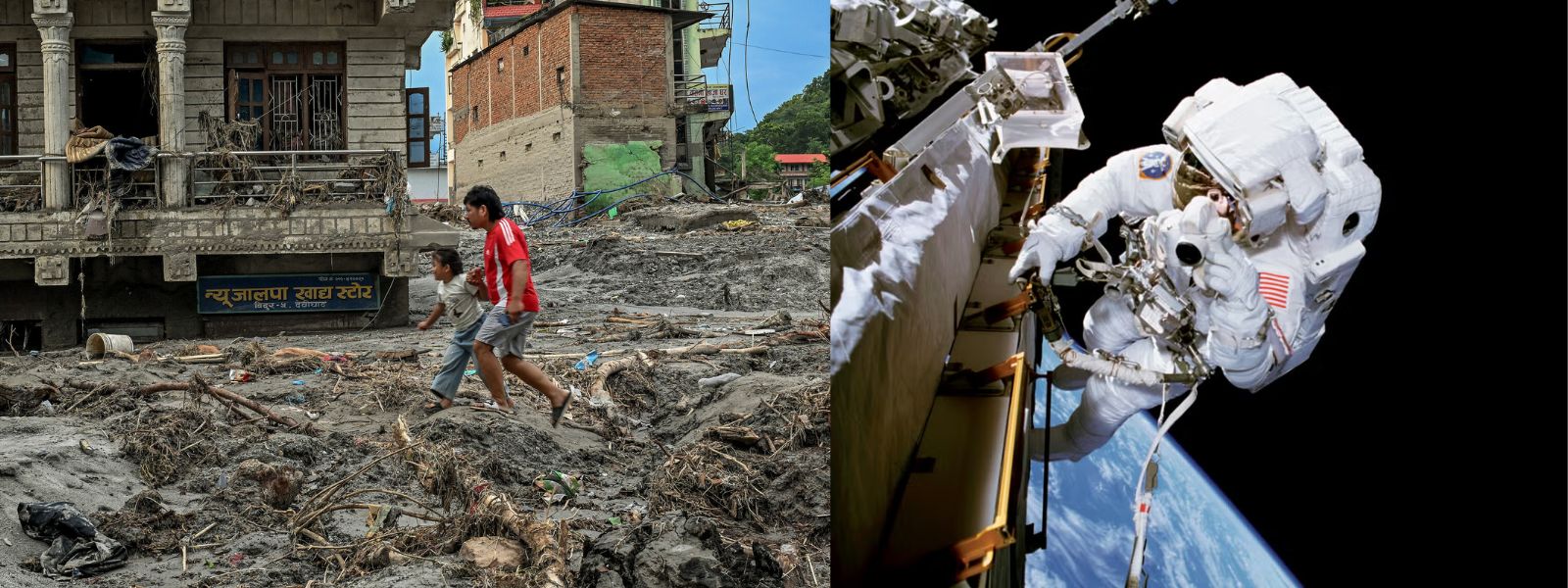
Speaking at the United Nations, IFRC Permanent Observer Dylan Winder said the initiative highlights a longstanding gap in international law, noting that while international treaties exist to protect astronauts in distress, there is still no comprehensive global treaty dedicated to helping countries coordinate assistance when disasters strike on Earth.
"The idea behind the campaign is simple. International treaties protect astronauts in distress. But if a flood strikes in your city, there's still no comprehensive global treaty to help countries cut through red tape and coordinate international assistance on Earth," Winder said.
He noted that UN member states are expected to come together next year to negotiate the Treaty on the Protection of Persons in the Event of Disasters, a move he described as a landmark moment for global humanitarian cooperation.
"This represents a historic opportunity that we at the IFRC are pleased to be supporting with our decades of experience in disaster preparedness and response," he said.
Winder stressed that when major disasters overwhelm a country's ability to respond, bureaucratic and administrative barriers can delay the arrival of humanitarian personnel, specialized equipment, and life-saving supplies.
According to him, a global treaty would provide a common framework for international cooperation before disasters occur and when international assistance becomes necessary.
"In practice, this could mean faster deployment of humanitarian teams, simpler customs and border procedures for life-saving supplies, more predictable cooperation between governments and humanitarian organizations, lower costs and fewer administrative barriers, and better protection for people affected by disasters," he said.
The proposed treaty also places significant emphasis on disaster prevention, preparedness, and risk reduction. Winder said the draft agreement recognizes that governments have a responsibility to prevent, mitigate, and prepare for disasters through appropriate measures, including the establishment and operation of early warning systems.
"The treaty would ensure that disaster risk reduction becomes a priority and a duty for all countries before, during and after disasters," he said.
Referring to large-scale emergencies such as the devastating floods currently affecting Nepal, Winder noted that a global treaty could help governments and humanitarian organizations respond more effectively by establishing clear rules for international disaster assistance.
"For major disasters like the one we're seeing in Nepal, a global treaty would set clear rules for international disaster assistance and help governments and humanitarian actors cut through the red tape and act faster," he said.